L’essentiel à retenir :
Savoir how to wash a car in a car wash est primordial pour préserver la peinture grâce à l’utilisation de pH-neutral shampoos et la méthode des deux seaux. Entretenir régulièrement son véhicule toutes les deux à quatre semaines élimine efficacement saletés et particules agressives tout en évitant les marques.
Prendre soin de son véhicule dans un lavage automatique ne se limite pas à un simple passage sous les jets d’eau. La majorité des usagers ignore que le choix du programme et la gestion de la pression d’eau adaptée influencent directement la durée de vie du vernis et des traitements protecteurs. Maîtriser les étapes clés du lavage permet de réduire les risques de micro-rayures et d’assurer un nettoyage en profondeur tout en respectant les revêtements. Cette approche garantit une voiture éclatante et protégée durablement grâce à des techniques professionnelles éprouvées.
How to wash a car in a car wash: best practices
Learning how to wash a car in a car wash properly ensures you protect your vehicle’s paint and finish while getting a spotless clean. Always start by choosing a shade or cooler spot to avoid water spots and soap drying too quickly, which can leave stubborn residues on your car.
Use car-specific products like pH-neutral shampoos and avoid harsh household detergents that can degrade wax and coatings.
To preserve your car’s appearance, wash it every two to four weeks depending on driving habits and environmental conditions such as winter road salt or summer insect debris.
Another key tip is to use the two-bucket method to minimize swirl marks by keeping grit separated from soapy water. This approach is part of professional detailing and is especially recommended when washing at self-service car washes.
Remember to follow the recommended order of washing: begin with the wheels and tires, then the roof and upper panels, and finally the lower body. This sequence prevents dirty water from dripping onto cleaned parts.
Lastly, aim to dry your car properly after washing using microfiber towels or air blowers to avoid water spots and enhance the paint’s shine.
Step-by-step: How to wash a car in a car wash like a pro
Mastering how to wash a car in a car wash like a pro comes down to knowing the correct process. The essential stages include preparation, pre-rinsing, foam washing, rinsing, and finishing touches such as drying and wheel care.
Start by making sure you have all necessary supplies. Next, carry out a careful pre-rinse to remove loose dirt, which helps avoid scratching during washing. Then apply foam thoroughly to break down grime, before rinsing it all off with high-pressure water.
Take your time with every step to ensure the best cleaning without damage. Professional tips involve using gentle, straight-line strokes when scrubbing and avoiding high-pressure settings on delicate areas.
Adding wax or sealant after drying can add a protective layer to keep your paint looking fresh longer. Below, we break down each step with detail so you can replicate the work of experienced detailers.
Preparation and Essential Gear
Pre-Rinse and Degreasing
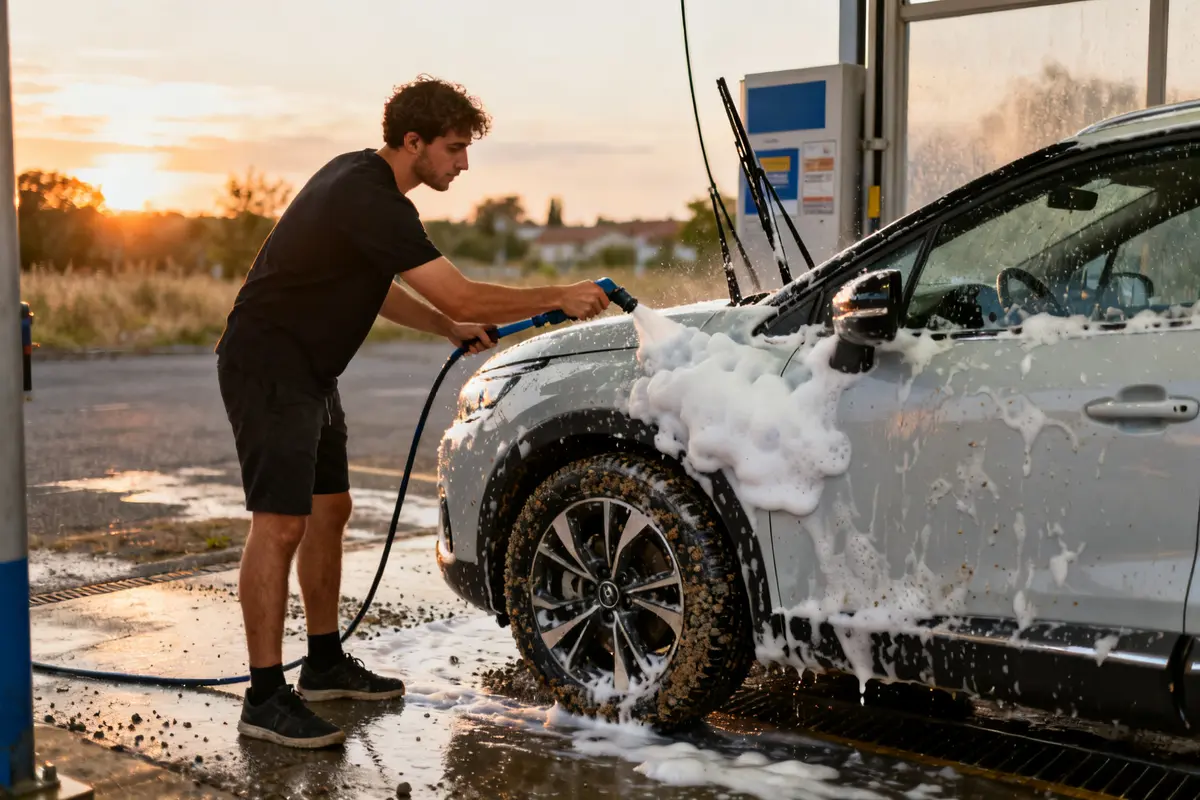
The first stage in any professional wash is the pre-rinse. Use a high-pressure hose or pressure washer to blast away dirt, grit, and road grime from the surface of your car. Focus on wheel arches, door sills, and lower panels where contamination accumulates most.
Applying a degreaser chemically helps loosen stubborn oils and residues. However, be careful with concentration and contact time to avoid damaging sensitive materials like rubber seals or chrome trims. Always rinse the degreaser off quickly after application.
Adjusting the water pressure according to your car model is crucial—too strong and you risk damaging paint, especially on delicate or aftermarket bodywork. This is a subtle but essential detail often skipped in basic washes.
Main Wash with Foam
After the pre-rinse, switch to a foam wash cycle. Foam creates a lubricating barrier that lifts dirt without abrasive contact. Use a soft wash mitt and apply foam evenly, working from the top of the vehicle down.
Regularly rinse your mitt in clean water to avoid grinding dirt into the paint. The two-bucket system is highly recommended for this step: one with soapy water and another to rinse your mitt.
The foam should dwell on the surface for a few minutes to breakdown dirt but not dry out. If you plan to apply wax afterward, wait at least 24 hours after washing to ensure proper adhesion — a detail often overlooked but essential for long-lasting protection.
High-Pressure Rinse
The final rinse is performed with high-pressure water to wash away all detergent and debris. Spray from top to bottom in smooth, controlled movements to avoid splashing dirt back onto cleaned areas.
Pay special attention to removing foam residues from tight crevices and door jambs. Using warm water where possible helps speed drying and prevents water spotting.
Many car enthusiasts underestimate the benefit of eco-friendly settings on automatic machines, where selective water and energy-saving modes can reduce consumption by up to 30% without sacrificing cleaning quality.
Le mot de l’auteur
“Mastering the subtle control of water pressure and timing between washes and protective treatments is the key to prolonging your car’s pristine finish.”
Finishing Touches: Wheels, Glass and Drying
Wheels are often the dirtiest part and require special care. Use a dedicated wheel cleaner and stiff brush to remove brake dust and road grime thoroughly. Separate tools for wheels and body ensure no abrasive particles cross-contaminate your paint.
Cleaning glass properly finishes your wash. Use streak-free glass cleaner and a microfiber cloth to enhance visibility and appearance. Clean inside and out for best results.
Drying is critical. Use soft, absorbent microfiber towels or a proper drying cloth to blot and wipe water away gently. Never air dry as it causes water spots and mineral deposits.
Consider using compressed air or a blower to remove moisture from hard-to-reach areas like emblems or grills. This prevents residue buildup that is hard to remove later.
Safety, Etiquette and Common Pitfalls
When using a car wash, always close windows and sunroofs to prevent interior damage from water ingress. Turn off windshield wipers to avoid mechanical issues during the wash cycle.
Follow staff instructions on gear selection: most conveyor car washes require neutral gear to let your car move smoothly without braking.
Be mindful of other users and vehicles. Avoid rushing your wash to prevent accidents or damage.
Common mistakes include using harsh soaps, neglecting to rinse thoroughly, and washing in direct sunlight. These lead to stains, scratches, or streaks.
Waiting at least 24 hours after washing before applying wax or sealant is vital for optimal protection and bonding of products.
Lastly, select appropriate water pressures depending on your car’s finish or aftermarket additions. High pressure can damage delicate body parts, while low pressure may not clean effectively.
🧮 Calculateur de durée pour how to wash a car in a car wash
Estimez le temps nécessaire pour laver votre voiture selon les options et la taille du véhicule.
FAQ — how to wash a car in a car wash
Do you turn the car off during a car wash?
Do you turn the car off during a car wash? Yes, it is important to turn off the engine during most automatic car wash cycles to avoid mechanical issues. This prevents damage and allows the wash system to work safely and smoothly.
Do I put my car in neutral in the car wash?
Do I put my car in neutral in the car wash? Yes, for conveyor or tunnel car washes, placing your car in neutral is essential. It lets the car roll gently through the wash without braking, ensuring smooth movement and avoiding damage.
Is it better to hand wash a car or go through a car wash?
Is it better to hand wash a car or go through a car wash? Hand washing allows more control and is gentler, reducing swirl marks, but takes longer. Car washes offer convenience and speed, but quality and pressure settings vary. Professional hand washes often yield the best finish.
Can my car go in a car wash?
Can my car go in a car wash? Most cars can safely go through a car wash, but check for special features like aftermarket spoilers or antennas. Also, sensitive paint or bodywork may require adjustments to water pressure or hand washing for protection.
What is the two-bucket method and why is it recommended in car washes?
What is the two-bucket method and why is it recommended in car washes? The two-bucket method uses one bucket for soapy water and another to rinse the wash mitt, reducing dirt and grit transfer. This minimizes swirl marks and paint scratches, especially useful in self-service car washes.
How should water pressure be adjusted during a car wash?
How should water pressure be adjusted during a car wash? Water pressure should be moderate and adapted to your car’s paint and finish. Too high pressure can damage delicate areas; too low may not clean efficiently. Adjusting pressure carefully protects your vehicle while ensuring effective cleaning.

Loïc roule depuis toujours, d’abord par nécessité, puis par passion. Entre sorties vélo le week-end et quelques échappées en moto, il a développé un goût pour les belles routes et les chemins moins fréquentés. Good Bike est son carnet de route numérique, un espace pour partager simplement ce qu’il découvre et teste au fil des kilomètres.